
Build America
An Executive Order to Recognize the American Cement Industry
Why the American Cement Association Needs the President’s Support
Cement is the foundation of America’s infrastructure, national security, and economic strength. That’s why ACA has urged the President to recognize cement as a critical national security and infrastructure material through an Executive Order—elevating its importance in federal policy, strengthening domestic supply chains, supporting investment in U.S. manufacturing capacity, and ensuring America has the materials needed to build, maintain, and protect the nation.
The need for this recognition becomes clear when considering just how deeply cement is embedded in America’s built environment and strategic capabilities.
Every road, bridge, runway, port, data center, and defense facility depends on concrete—made with cement. The United States relies on a strong domestic cement industry to support resilient infrastructure, maintain supply-chain security, and ensure the nation can build and rebuild when it matters most.
We need American Cement for National Strength.
-
Cement and concrete are foundational to America’s defense and emergency preparedness.

Concrete is used throughout the defense sector for military bases, command centers, aircraft shelters, runways, naval ports, and protective infrastructure. It also plays a critical role in emergency response and disaster recovery. Because concrete is durable, fire-resistant, and resilient to floods and earthquakes, it helps ensure that vital infrastructure remains operational during crises.
A strong domestic cement industry ensures the United States has the materials needed to maintain defense readiness, strengthen infrastructure, and respond quickly to national emergencies.
-
Cement and concrete support nearly every aspect of modern life. Every American relies on cement and concrete — often without realizing it.
America’s roads, bridges, ports, buildings, and water systems rely on the strength and durability of concrete—made with cement.
Businesses, governments, and communities across the country depend on this essential material to build and maintain the infrastructure that keeps the economy moving and people connected.
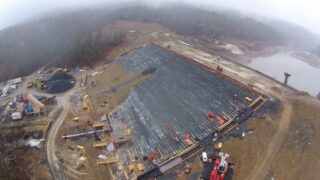
Each year, the United States uses roughly 260 million cubic yards of cement to support critical infrastructure projects in every state. In the coming years, cement will also play a growing role in building the infrastructure needed for emerging technologies — including AI data centers and the power systems that support them — where concrete’s durability, fire resistance, and structural integrity make it the optimal building material.
-
Resilient infrastructure requires reliable materials.
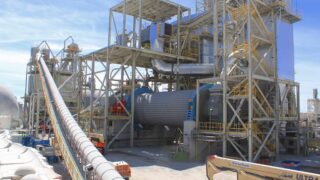
Domestic cement production helps ensure a timely, dependable supply for the projects that keep the U.S. economy moving — from highways and bridges to water systems and energy infrastructure.
Overreliance on foreign cement introduces risks, including supply disruptions, shipping delays, and geopolitical uncertainty. Maintaining strong domestic production strengthens supply chains and helps ensure critical infrastructure projects stay on schedule.
A dependable supply chain begins with American manufacturing.
-
The U.S. cement industry is a powerful driver of economic growth.

Cement manufacturing supports more than 550,000 jobs across the United States and contributes more than $150 billion annually to the U.S. economy. The average salary of a cement worker in the U.S. is $97,700.
Cement plants are often located in rural and industrial communities where they serve as major local employers. These facilities support well-paying jobs and generate significant economic activity through local suppliers, contractors, and service providers.
Strengthening domestic cement production strengthens American manufacturing and the communities that depend on it.
-
Modernizing cement plants improves efficiency and strengthens supply.
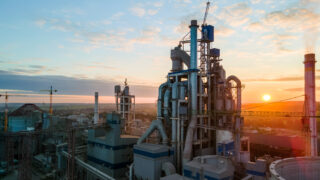
Across the country, cement manufacturers are investing in plant upgrades, new technologies, and operational improvements that increase competitiveness.
Streamlined permitting and modernized regulatory frameworks can help accelerate these projects—supporting both economic growth while ensuring the United States maintains sufficient cement capacity.
-
Cement manufacturing offers skilled, high-tech careers that support America’s industrial workforce.

Today’s cement plants rely on advanced technologies, automation, and engineering expertise. These facilities offer long-term career opportunities in operations, engineering, maintenance, logistics, and environmental management.
Expanding workforce training opportunities can help ensure the next generation of workers is prepared to support America’s infrastructure and manufacturing future.
National Strength


By implementing pro-cement policies…the cement industry will reduce the U.S. reliance on foreign-controlled supply chains and ensure American communities…see the full economic benefits of cement production.
Additional Resources
The American Cement Association provides resources to help policymakers, stakeholders, and communities better understand the role of cement manufacturing in supporting America’s future.

News Feature

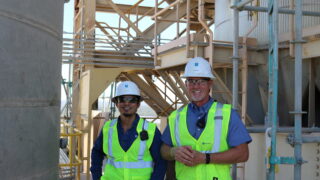



Cement is the foundation of our nation’s infrastructure, economy, and national security. We look forward to working with the White House to build a stronger, more self-reliant America that keeps critical industries like cement thriving here at home.