Supplementary Cementing Materials
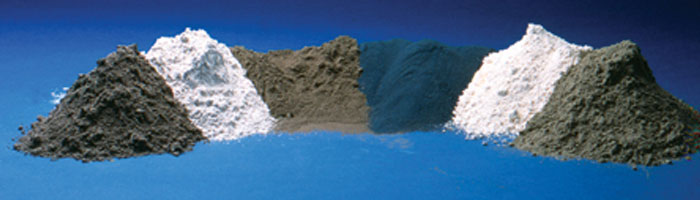
Supplementary cementing materials (SCMs) contribute to the properties of hardened concrete through hydraulic or pozzolanic activity. Typical examples are fly ashes, slag cement (ground, granulated blast-furnace slag), and silica fume. These can be used individually with portland or blended cement or in different combinations. Supplementary cementing materials are often added to concrete to make concrete mixtures more economical, reduce permeability, increase strength, or influence other concrete properties.
Fly ash, the most commonly used pozzolan in concrete, is a by-product of thermal power generating stations. Commercially available fly ash is a finely divided residue that results from the combustion of pulverized coal and is carried from the combustion chamber of the furnace by exhaust gases.
Slag Cement, formerly referred to as ground, granulated blast-furnace slag, is a glassy, granular material formed when molten, iron blast-furnace slag is rapidly chilled - typically by water sprays or immersion in water - and subsequently ground to cement fineness. Slag cement is hydraulic and can be added to cement as an SCM.
Silica fume, also called condensed silica fume or microsilica, is a finely divided residue resulting from the production of elemental silicon or ferro-silicon alloys that is carried from the furnace by the exhaust gases. Silica fume, with or without fly ash or slag, is often used to make high-strength concrete.