Products
Concrete’s versatility, durability, and economy have made it the world’s most used construction material. The U.S. uses about 260 million cubic yards of ready-mixed concrete each year. It is used in highways, streets, parking lots, parking garages, bridges, high-rise buildings, dams, homes, floors, sidewalks, driveways, and numerous other applications.
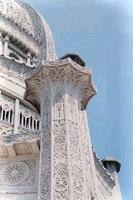 Architectural and Decorative Concrete:
 This section highlights design possibilities and discusses considerations for selecting color and texture for architectural and decorative concrete.
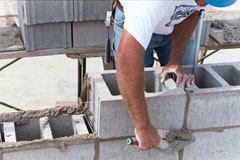 Concrete Masonry
 has undergone significant change within the last decade, becoming a more cost-effective, energy-efficient building product than ever.
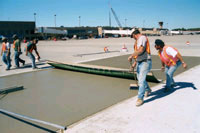 Concrete Pavement:
 This section describes the four types of concrete pavements and details the preparation, placement, and curing of concrete pavements.
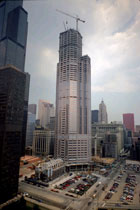 High-Strength Concrete:
 In the last two decades concrete has gotten stronger and better for high-rise construction.
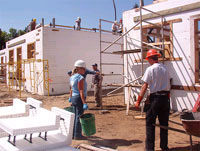 Insulating Concrete Forms:
 These builder-friendly wall systems have recently made a mark on the housing industry of North America.
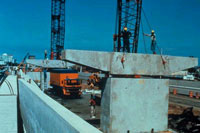 Precast Concrete became more common after World War II.
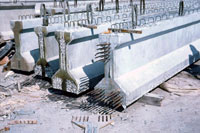 Prestressed Concrete:
 Patented in San Francisco in 1886, prestressed concrete made its impact on the United States construction industry almost 75 years later.
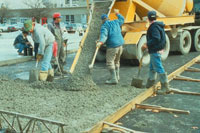 Ready-Mixed Concrete accounts for nearly three-fourths of all concrete used annually.
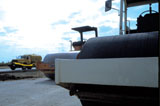 Roller-Compacted Concrete: Initially developed for use by the forestry industry in Canada, roller-compacted concrete is a durable paving and dam material that is placed using asphalt construction equipment.
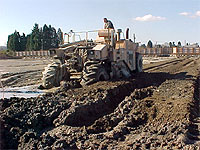 Soil-Cement:
 Developed in 1935, this product is often used as a paving base, mixing cement with compacted soil.
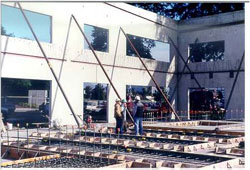 Tilt-Up Concrete:
 a construction method where walls are cast in a horizontal position and then tilted into a vertical position and moved into place with a mobile crane.